What is a Flexible PCB?
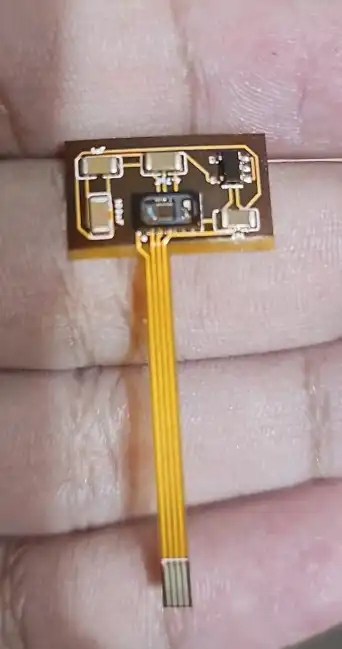
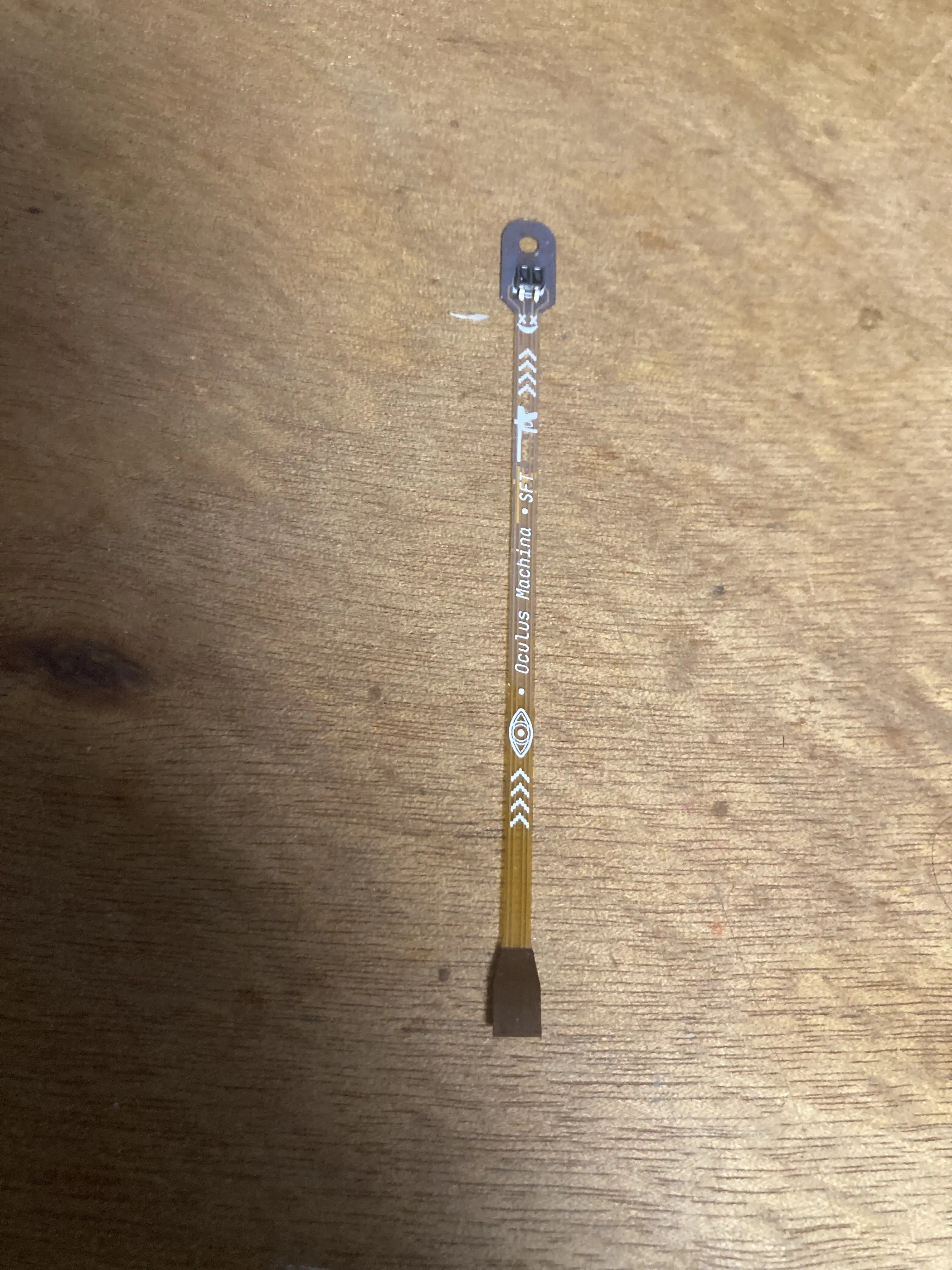
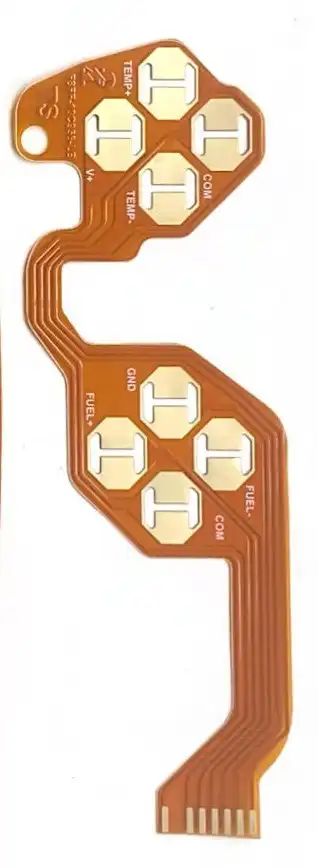
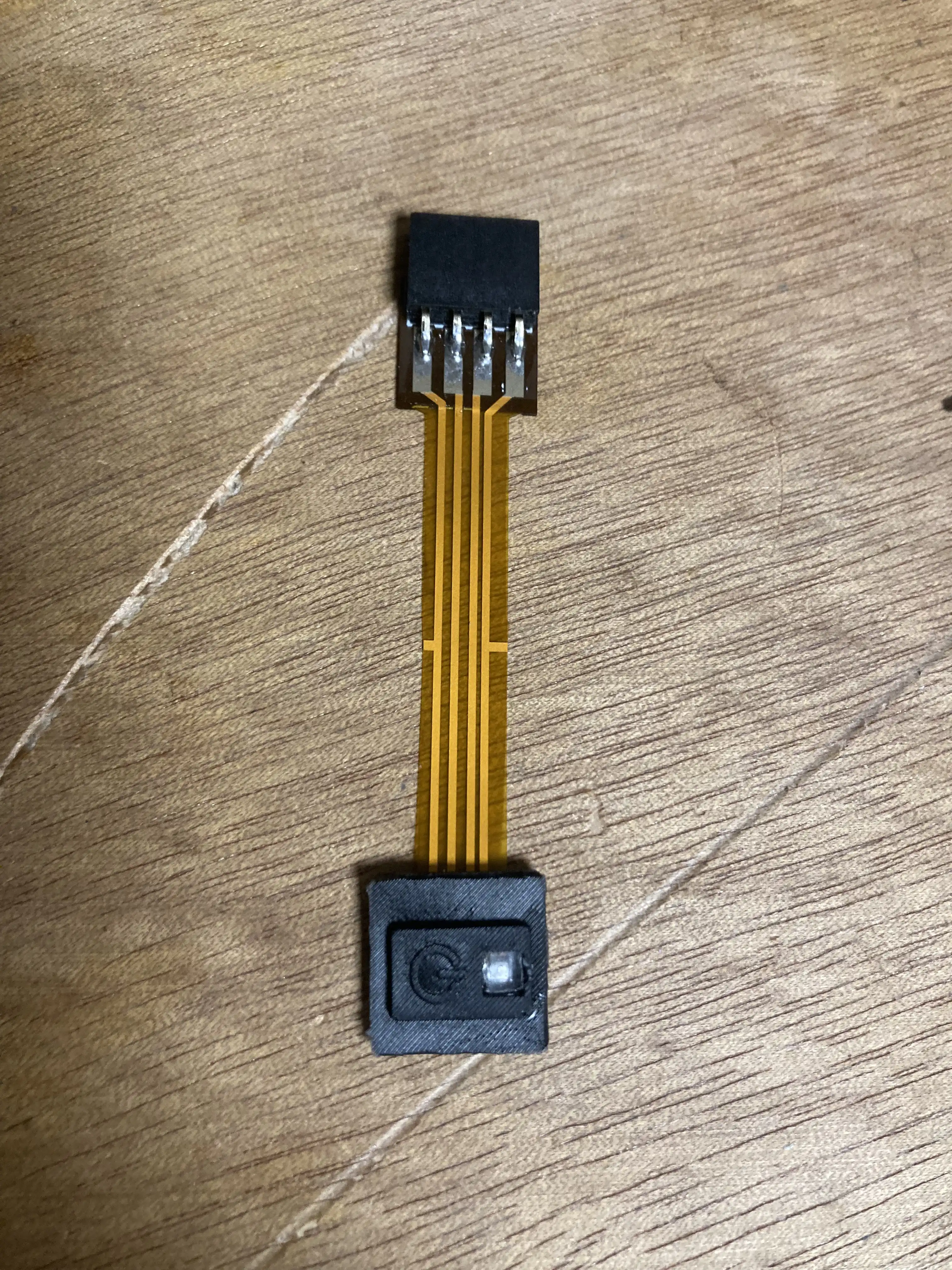
A Flexible PCB (also called flex PCB or FPC) is a type of printed circuit board that can bend, fold, and twist without breaking. Unlike rigid boards, flexible PCBs are designed to adapt to tight spaces and dynamic environments, making them ideal for compact and lightweight electronic devices.
How Flexible PCBs Differ from Rigid PCBs
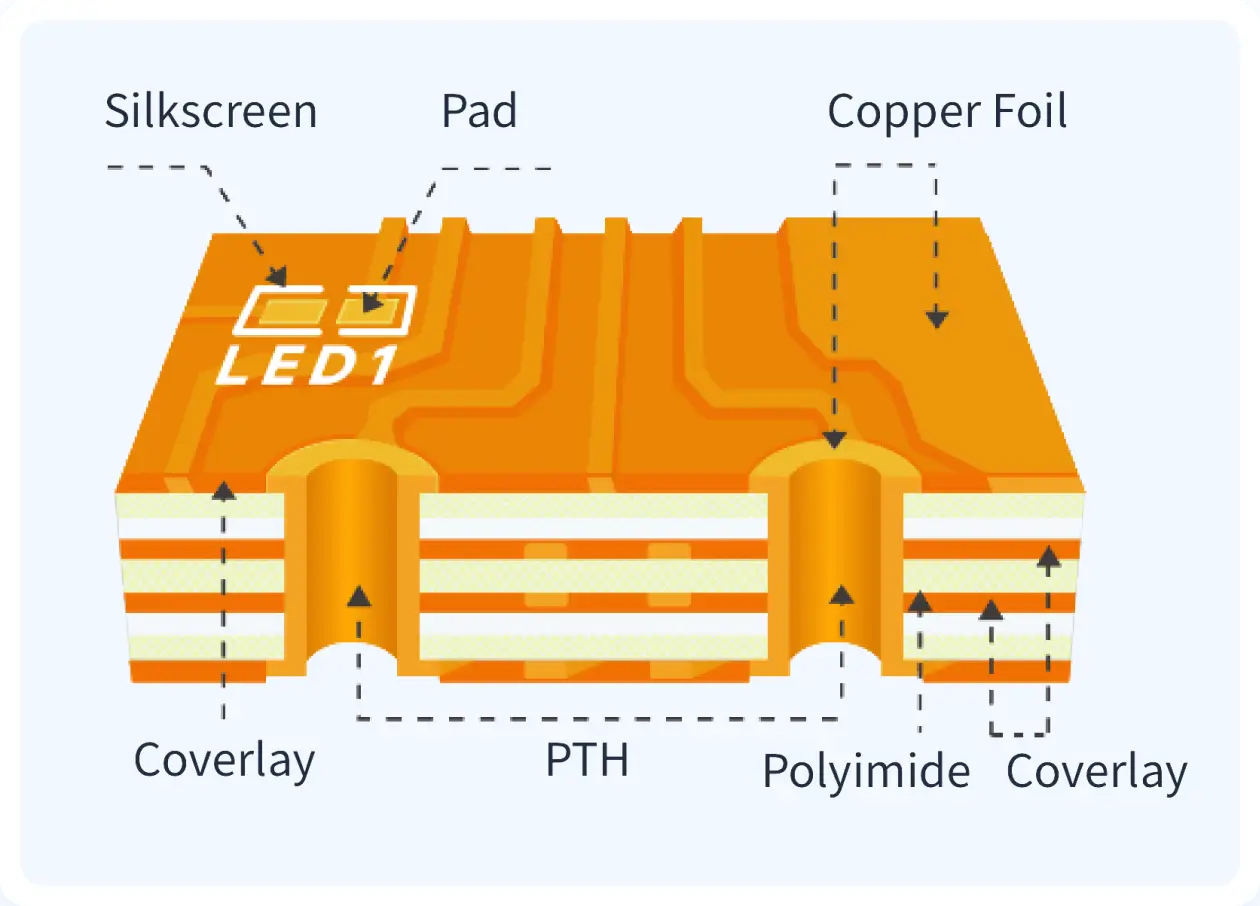
Rigid PCBs are built on FR4 substrates, which makes them stiff and less adaptable to tight spaces. Flexible PCBs, in contrast, use polyimide substrates that allow the board to bend and twist without damage. Conductive copper layers carry signals across the base material, while protective coverlays or conformal coatings ensure durability. Thanks to this flexibility, FPCs save space, withstand vibration better, and enable 3D packaging solutions that rigid boards simply cannot achieve.
Structure and Properties of Flexible PCB
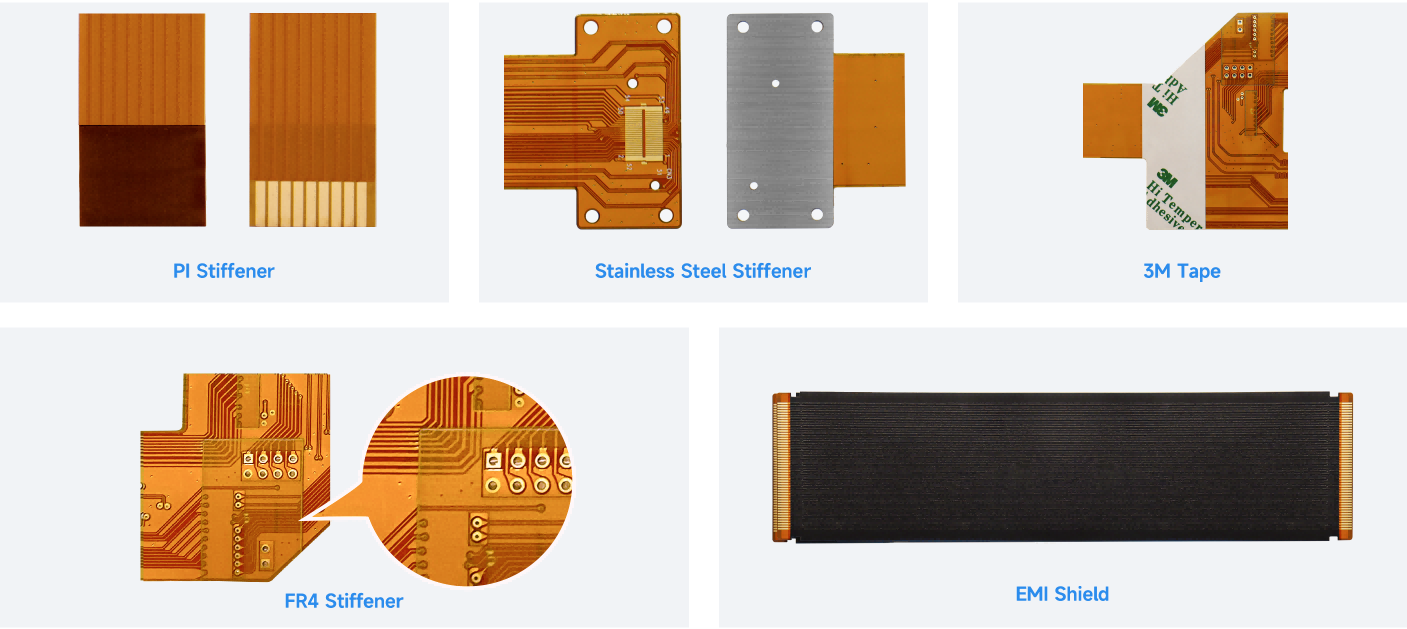
The structure of a Flexible PCB is built on thin, bendable substrates such as polyimide (PI) or PET, which provide excellent mechanical flexibility and heat resistance. Copper foil is laminated onto the substrate to form the conductive traces, while coverlays or solder masks protect the circuits. Depending on the application, stiffeners can be added in certain areas to strengthen connectors or mounting points without affecting the overall flexibility.
Flexible PCBs combine mechanical adaptability with electrical reliability. They can be bent, folded, or twisted to fit into compact or irregularly shaped devices, all while maintaining stable electrical performance.
- High Flexibility - withstands repeated bending without damage.
- Lightweight and Thin - saves space and reduces overall device weight.
- Durability - resistant to vibration, thermal stress, and dynamic movement.
- Design Versatility - supports complex layouts with fewer connectors and cables.
Advantages of Flexible PCBs
Flexible PCB Design Considerations
Bend Radius and Layer Count
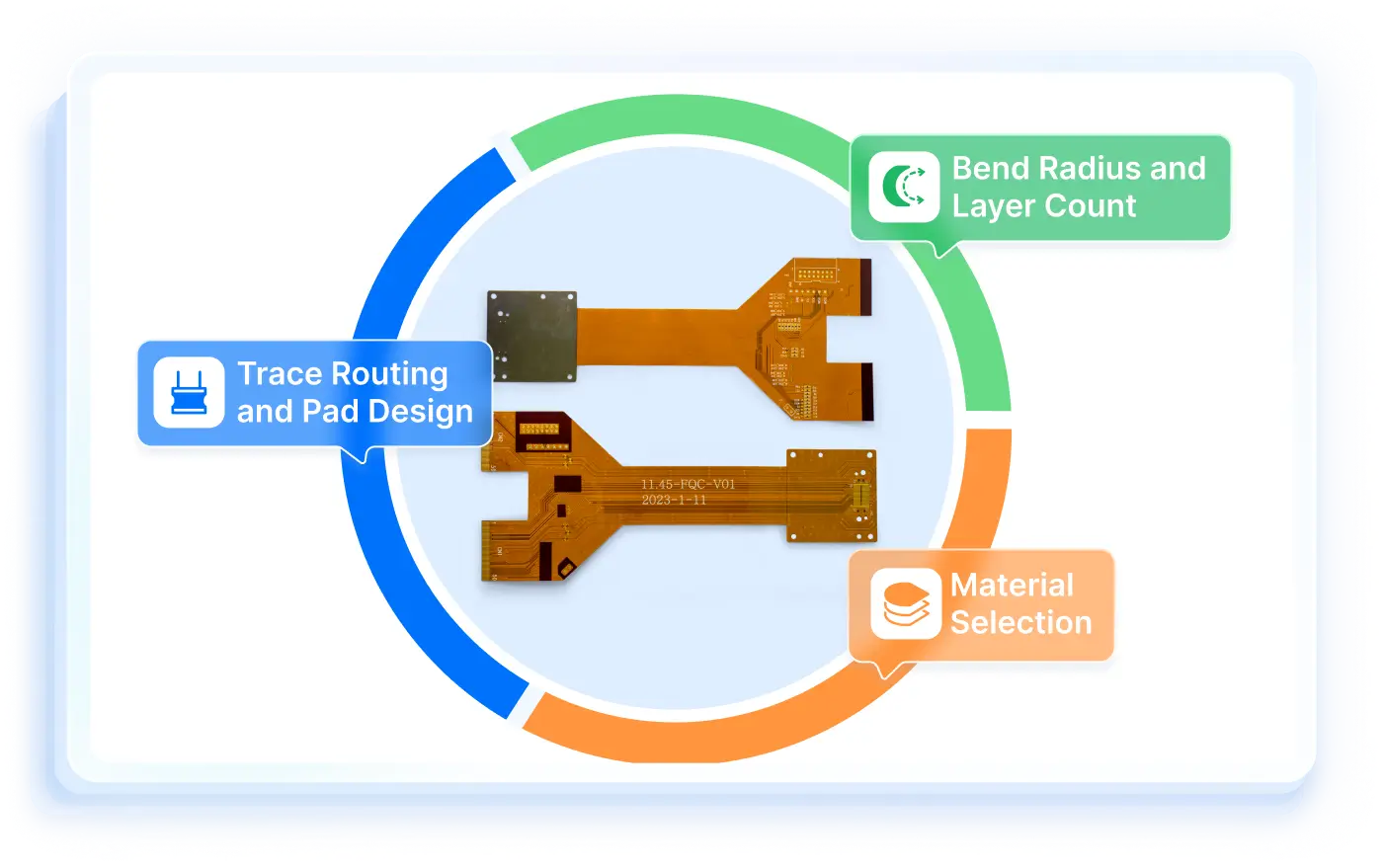
- The minimum bend radius defines how tightly a flexible PCB can be bent without causing cracks or delamination. This parameter depends on both the layer count and material type. In general, more layers reduce flexibility, so designs requiring frequent bending should minimize layer count.
Material Selection
Trace Routing and Pad Design
Common Applications of Flexible PCBs
Consumer Electronics
- Flexible PCBs are widely used in smartphones, wearables, and laptops to save space and enable ultra-slim designs. By allowing components to connect within tighter spaces, FPCs make compact and lightweight devices possible.
Medical Devices
Automotive Electronics
Aerospace and Aviation


JLCPCB Flexible PCB Manufacturing Capabilities
Features | Capabilities |
|---|
Minimum Dimensions | No limit. Panel suggested if dimension < 20×20mm. |
Maximum Dimensions | Regular: 234 × 490mm Absolute limit: 250 × 600mm with edge rails |
Dimension Tolerance | ±0.1mm/±0.05mm(extra charged) |
Coverlay Color | Yellow / Black / White/ Transparant |
Surface Finish | ENIG. Thickness: 1u" / 2u" |
Min. Via hole size/diameter | ①Regular: 0.15mm/0.35mm ②Extreme: 0.10mm/0.3mm (extra charged) |
Minimum Plated Slot | 0.50 mm |
Minimum Non-Plated Slot | No limit |
Annular Ring for PTH | ≥ 0.25 mm. Absolute limit: 0.18mm |
Minimum Trace Width/Spacing | ① 12μm (1/3oz) copper: 3/3mil (absolute limit 2/2mil) ② 18μm (0.5oz) copper: 3.5/3.5mil ③ 35μm (1oz) copper: 4/4mil |
Stiffener Material | PI(0.1mm, 0.15mm, 0.20mm, 0.225mm, 0.25mm) FR4(0.1mm, 0.2mm, 0.4mm, 0.6mm, 0.8mm, 1.0mm, 1.2mm, 1.6mm) Stainless Steel(0.1mm, 0.2mm, 0.3mm) 3M Tape(tesa8854, 3M9077, 3M468) |
Why is JLCPCB the Go-To Flexible PCB Manufacturer?
How to Order JLCPCB Flexible PCBs in 3 Easy Steps