
Rigid PCB
JLCPCB offers high-quality rigid PCBs ranging from 1–32 layers to meet everything from simple prototypes to complex, high-performance systems. Take advantage of our mass production scale: 1–8 layer PCBs start at just $2, with lightning-fast production in as little as 24 hours.
$10
PCB Coupon
Valid for 30 days
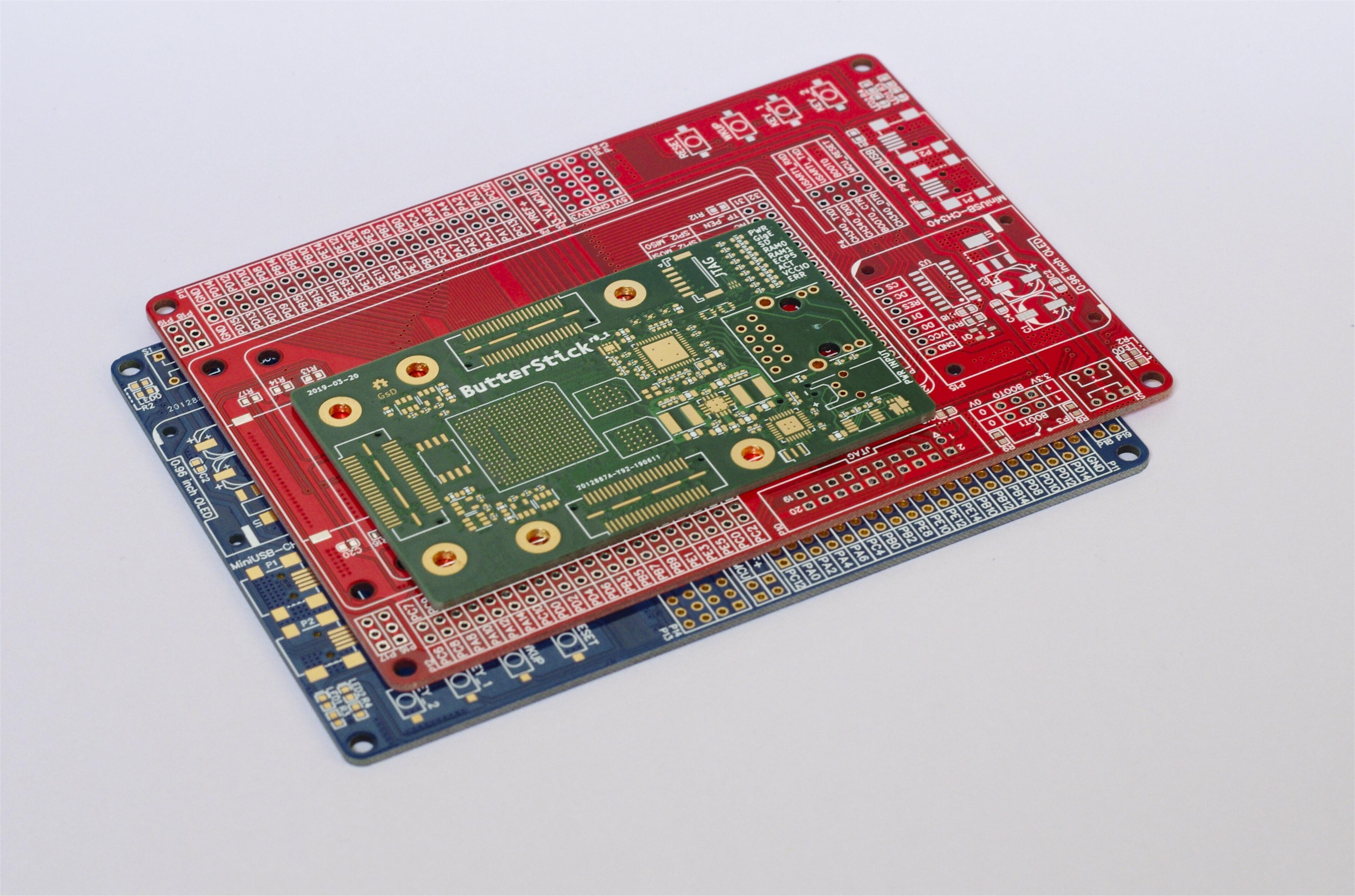
What is a Rigid PCB?
A rigid PCB is a type of printed circuit board with a solid and inflexible substrate, typically made of fiberglass. The inflexibility of rigid PCBs simplifies component mounting and interconnection, ensuring a stable platform for electronics assembly. With their sturdy structure, they provide robust mechanical support, ideal for applications requiring reliability.
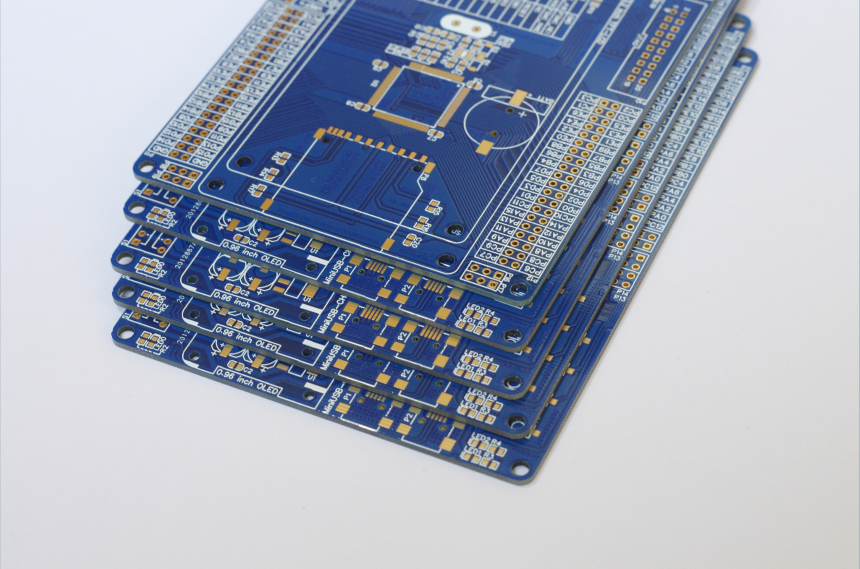
Key Characteristics of Rigid PCBs
Superior Mechanical Stability: Rigid PCBs use fiberglass-based substrates like FR4, providing a firm, unyielding structure. This ensures reliable component support in applications like automotive and aerospace systems.
Multi-Layer Capability: JLCPCB Support for up to 32 layers enables complex circuit routing and space optimization. Ideal for high-performance devices such as servers and advanced communication systems.
Enhanced Thermal Resistance: Rigid PCBs dissipate heat more effectively than flexible boards, protecting sensitive components. Perfect for power supplies, LED drivers, and RF devices.
Cost-Effective Manufacturing: Standardized production processes and material availability make rigid PCBs affordable, especially in medium to high volumes. A practical choice for both consumer and industrial products.
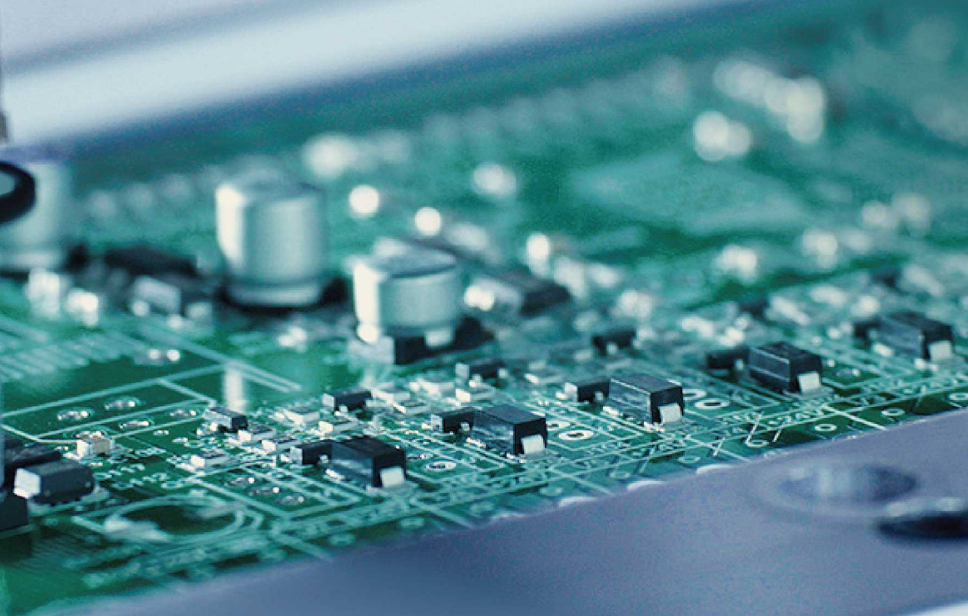
Applications of Rigid PCBs
High-Performance Computing & Servers: Rigid PCBs support multilayer, high-density routing essential for motherboards, GPUs, and data center hardware—ensuring stability, heat resistance, and long-term reliability under heavy workloads.
Industrial Control Systems: Ideal for PLCs, robotics, and factory automation modules, rigid PCBs maintain structural integrity and electrical performance in environments with vibration, dust, and temperature variation.
Automotive Power & Safety Systems: Used in ECUs, ABS controllers, and battery management systems, rigid PCBs withstand harsh automotive conditions while ensuring consistent signal integrity and mechanical durability.
Medical Imaging & Diagnostic Equipment: In CT scanners, ultrasound devices, and lab analyzers, rigid PCBs provide the precision and mechanical strength needed for accurate, interference-free signal transmission.
Why Choose JLCPCB Rigid PCB?
 Affordable Pricing
 Mass production efficiencies allow JLCPCB to offer rigid PCBs at prices starting as low as $2, making high-quality boards accessible to all.
 Rapid Turnaround
 With smart factories and advanced logistics, JLCPCB can deliver production-ready PCBs within 24 hours for fast-paced development needs.
 Quality & Precision
 Advanced equipment ensures tight tolerances, precise layer alignment, and consistent quality that meets IPC standards.
FAQs
- 1. What materials are used in rigid PCBs?
Rigid PCBs typically use FR4 fiberglass, a reliable and widely used material known for strength and insulation.
- 2. Can rigid PCBs handle high temperatures?
Yes, rigid PCBs made with high-Tg materials perform well under thermal stress, making them suitable for power electronics, lighting systems, and automotive controls.
- 3. How do rigid PCBs compare to flexible PCBs?
Rigid PCBs offer better mechanical support, cost efficiency, and are ideal for static applications. Flex PCBs are better for dynamic, space-constrained, or bendable designs.
- 4. What industries commonly use rigid PCBs?
Rigid PCBs are widely used in consumer electronics, automotive systems, medical devices, and industrial control equipment.
- 5. Can I order multi-layer PCBs from JLCPCB?
Yes, JLCPCB supports rigid PCBs from 1 to 32 layers, suitable for simple to highly complex circuit designs. Now for 6-layers, $0 for ENIG 2u" surface finish and 5pcs 6-layer PCBs starts from $2.