
PCB Material
At JLCPCB, we work with top suppliers for base materials optimized for signal integrity, thermal management, and mechanical stability. Our ISO-certified material library ensures your designs meet exacting standards from prototyping to mass production.
$6
PCB Coupon
Valid for 30 days
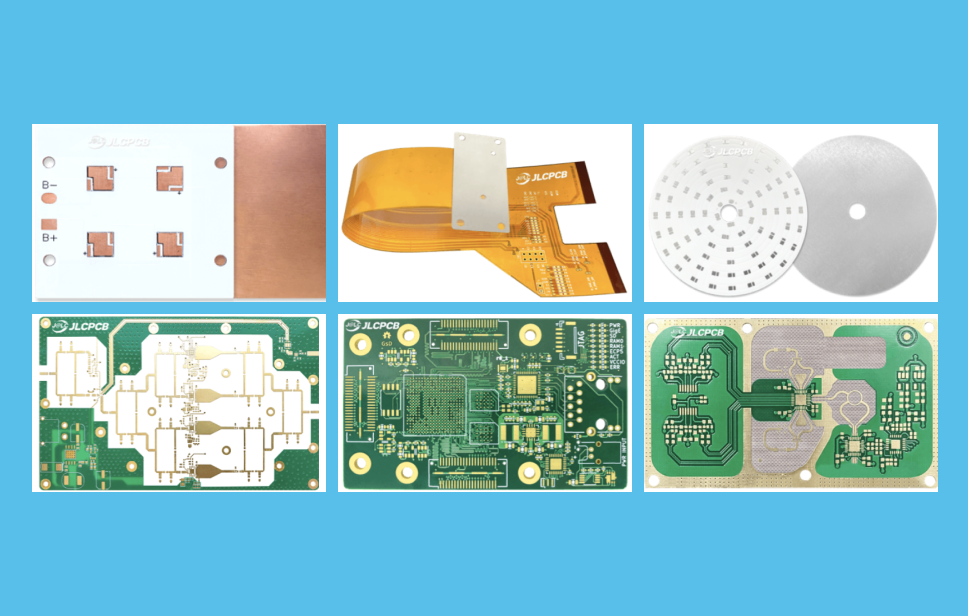
Common PCB Material Options
FR-4 Standard (TG130-170): FR-4 is the typical substrate for rigid PCBs, commonly used in prototypes. It features cost-effective epoxy laminate, ideal for general electronics applications.
High-Frequency Materials: Engineered for RF/microwave circuits, Roger 4350B is frequently employed in high-frequency applications due to its low dielectric loss and stable electrical properties.
Metal-Core PCBs: Aluminum substrates provide superior heat dissipation capabilities. Their layered construction optimizes thermal transfer for power-intensive lighting and automotive applications.
Flexible Circuits: Polyimide films enable dynamic bending configurations. Advanced adhesive systems ensure mechanical durability for wearable tech and compact interconnect solutions.
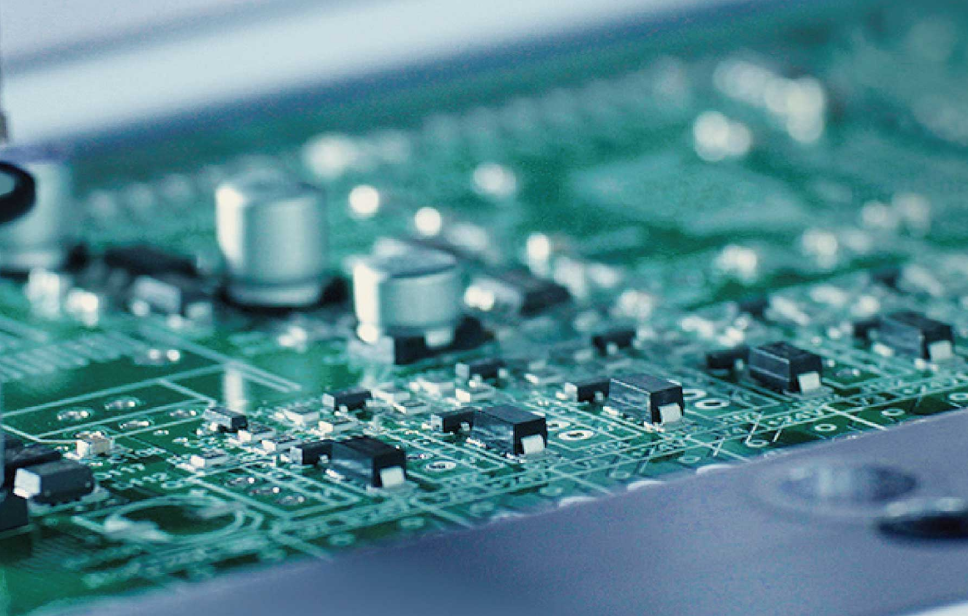
PCB Material Advantages in Action
FR-4 boards, ubiquitous in smartphones, offer cost-effective and reliable solutions. High-Frequency Materials, including Teflon known for its high dielectric strength seen in satellite communications, ensure signal integrity. Metal-Core PCBs find use in automotive LED lighting for enhanced thermal management. Flexible Circuits, like those in wearables, provide adaptability in constrained spaces.
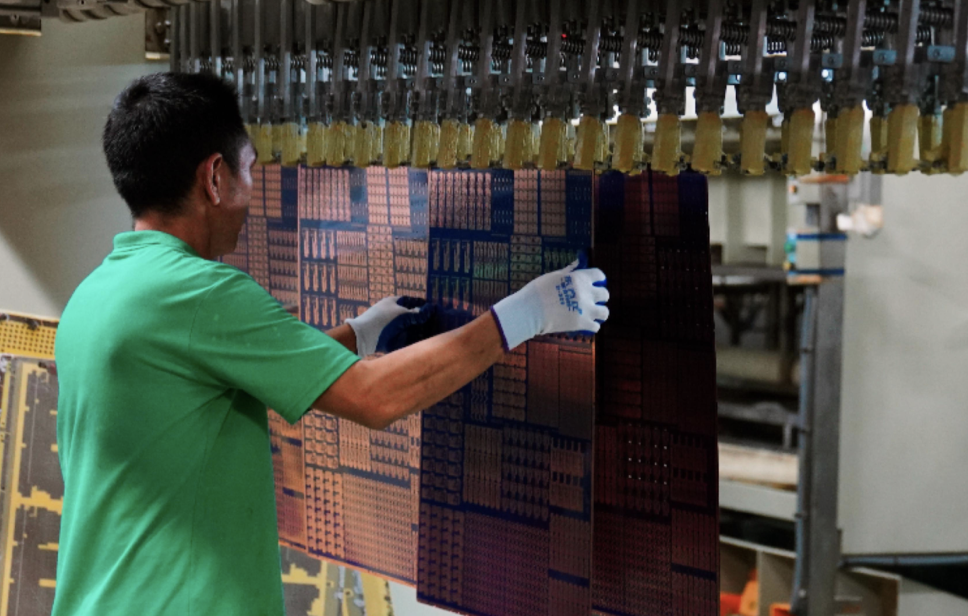
PCB Material Selection Guide
Match Application Scenarios: Tailor materials to applications – use FR-4 TG170 for industrial controls and Rogers 4350B for 5G antennas.
Evaluate Signal Requirements: Designs operating at 12GHz need materials with DF<0.005 for optimal signal transmission.
Consider Environmental Stress: Automotive electronics demand materials with TG>150℃ for resilience in high-temperature conditions.
Balance Cost & Performance: Choose materials that strike the right balance between performance and cost. For high-frequency applications, consider using high-performance substrates like Rogers or TU-series, and opt for standard FR-4 when advanced signal integrity is not required.
JLCPCB Material Benefits
 Various Stackup Selections
 JLCPCB provides several standard multi-layer PCB stackups for you to select the one that aligns with your impedance requirement.
 Versatile Selection with TG
 Optional TG values cater to diverse and complex circumstances, enhancing versatility in material selection.
 Special technologies
 Explore JLCPCB's offerings such as Gold Fingers, Castellated Holes, Press-Fit Holes, and Edge Plating for advanced PCB features.
Easy, Affordable, and Reliable PCB Manufacturing.
FAQs
- What materials are used for JLCPCB?
Our Base Material includes FR-4, Flex, Copper Core, Aluminum, Rogers, and PTFE Teflon.
- Is there detailed information available about the base materials used?
Certainly! For more detailed information on JLCPCB Base Material, please visit this link: https://jlcpcb.com/help/article/jlcpcb-base-material
- Which suppliers do you work with?
We collaborate with top suppliers like Rogers and Nan Ya. For certifications, visit our certifications page: https://jlcpcb.com/help/article/Certifications
- Where can I find more information about your special technologies like gold fingers?
To learn more about our special technologies such as gold fingers, please visit this page: https://jlcpcb.com/help/article/jlcpcb-gold-fingers
- How can I get assistance regarding custom material requirements?
For any inquiries or assistance with custom material requirements, feel free to reach out to our customer support team for personalized guidance.