Reflow Soldering Profile Troubleshooting: Common Defects and Fixes
14 min
- What Is a Reflow Soldering Profile in SMT Assembly
- Key Reflow Profile Parameters
- #1 Tombstoning in Reflow Soldering
- #2 Cold Solder Joints in Reflow Soldering
- #3 Head-in-Pillow Defects in BGA Reflow Soldering
- #4 PCB Warpage During Reflow Soldering
- #5 Solder Bridging in Reflow Soldering
- #6 Solder Voiding in Reflow Soldering
- How to Optimize a Reflow Soldering Profile for SMT Assembly
- Reflow Profile Troubleshooting for Mixed SMD Assemblies
- Best Practices for Creating a Reliable Reflow Soldering Profile
- FAQs about Reflow Soldering Profile
- Conclusion
In SMT manufacturing, many common reflow soldering defects - such as tombstoning, cold joints, Head-in-Pillow failures, and PCB warpage - are often caused by an improperly tuned reflow soldering profile.
Small mistakes in the thermal curve can reduce solder reliability, damage components, and lower production yield.
This guide shows how to diagnose and fix reflow profile problems through practical thermal adjustments. By understanding key parameters like ramp rate, soak time, peak temperature, TAL, and cooling slope, you can build a stable and repeatable SMT assembly process.
What Is a Reflow Soldering Profile in SMT Assembly
A reflow soldering profile is a precise temperature-versus-time thermal curve that dictates how a printed circuit board is heated and cooled during SMT assembly. Manufacturers rely on this thermal recipe to keep the entire assembly process safely within a defined process window.
When a profile deviates outside this optimal process window, it directly causes poor alloy wetting, flux exhaustion, or component damage. Consequently, maintaining and tuning this profile is the most effective way to prevent manufacturing defects before they happen.
Key Reflow Profile Parameters
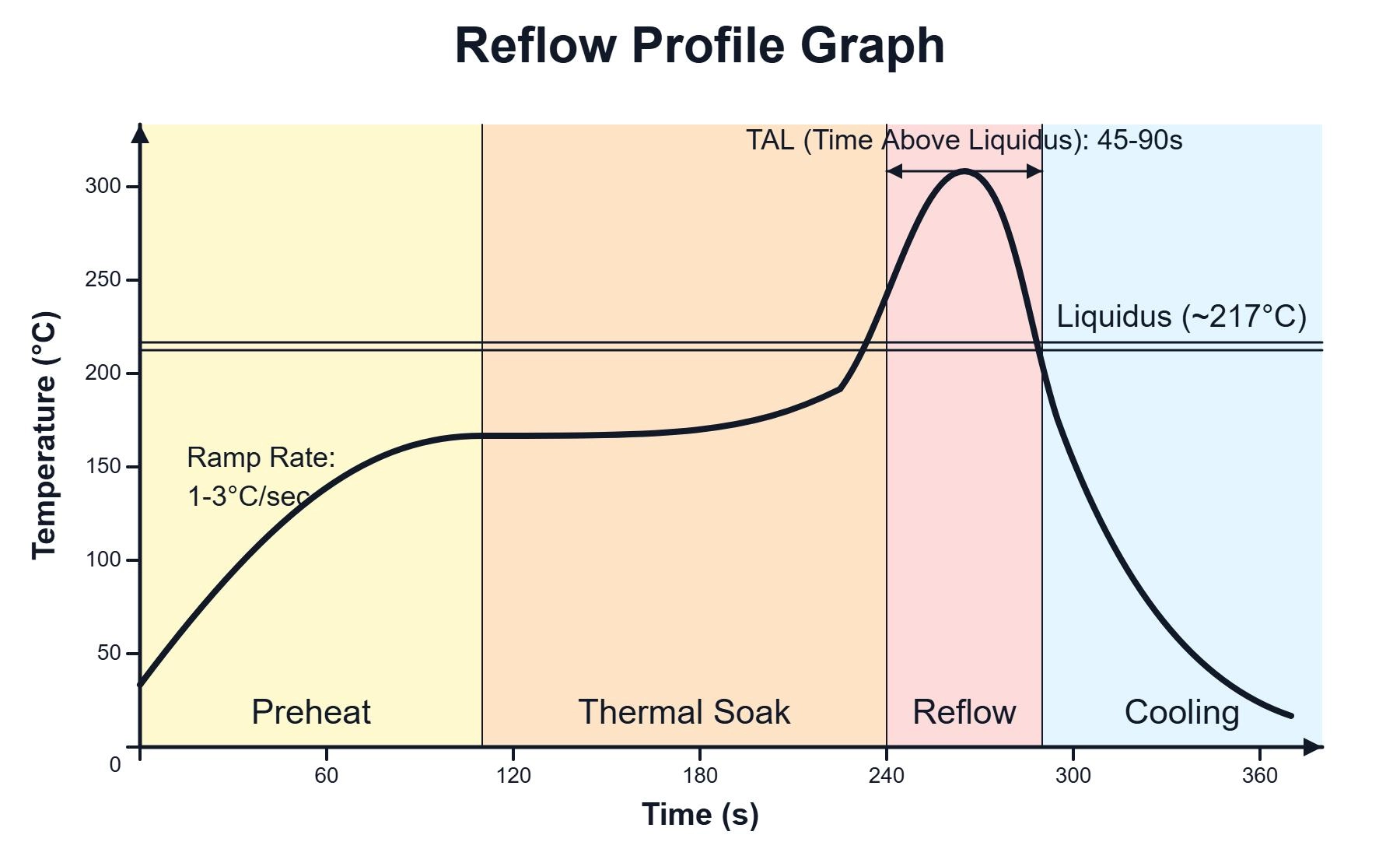
Figure: Standard 4-zone reflow soldering profile graph showing preheat, soak, reflow, and cooling stages
To diagnose reflow soldering issues, you need to understand the key parameters that define a thermal profile and how each one affects solder joint quality.
Ramp Rate (Preheat): The initial heating stage, where the board is brought up to temperature.
- Recommended range: 1-3 °C/sec
- Too fast → thermal shock, tombstoning
- Too slow → paste slump, bridging
Soak Temperature & Time: The plateau where flux activates, volatile solvents evaporate, and the entire PCBA reaches thermal equilibrium.
- Recommended range: 150-200 °C for 60-120 seconds
- Too hot/long → premature flux exhaustion, oxidation
- Too cold/short → trapped volatiles, voiding
Peak Temperature & TAL: Peak temperature is the absolute maximum heat. Time Above Liquidus (TAL) is the duration for which the solder remains molten.
- Recommended range: 235-250 °C (SAC305) with 45-90 seconds TAL
- Too high/long → PCB warpage, component damage, charred flux
- Too low/short → cold solder joints, incomplete wetting
Cooling Slope: The controlled reduction of temperature to solidify the joint.
- Recommended range: -2 to -4 °C/sec
- Too fast → component cracking, pad cratering
- Too slow → coarse-grain structure, dull/weak joints
Note
The following section takes a closer look at common reflow soldering challenges, their root causes, and practical solutions for resolving them.
#1 Tombstoning in Reflow Soldering
Tombstoning (or the "Drawbridge Effect") is one of the most frustrating defects in SMT manufacturing, primarily affecting small passive components like 0402 and 0201 packages.
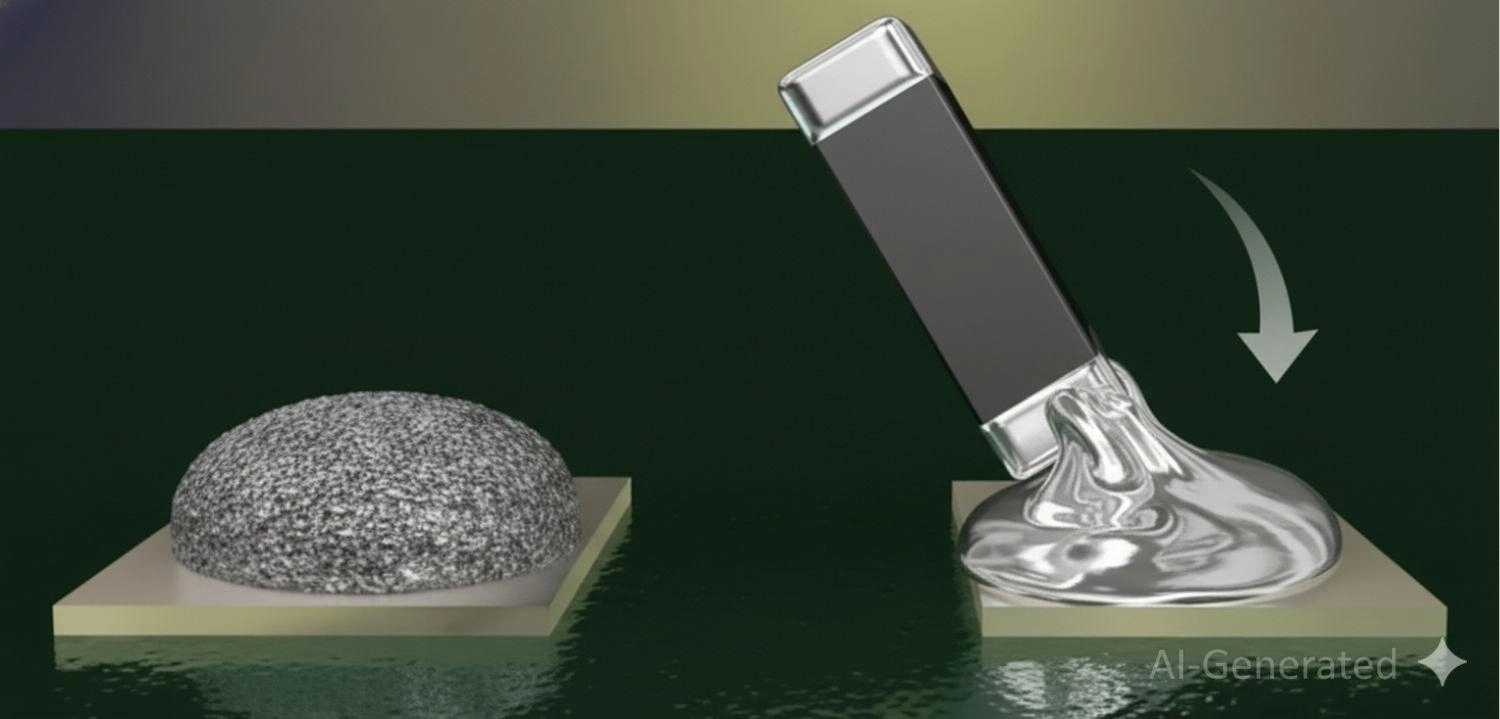
Figure: Tombstoning defect in SMT assembly showing a 0402 chip resistor standing vertically due to unbalanced reflow heating.
Why Tombstoning Happens in Reflow Soldering
During visual inspection, tombstoning presents as a chip resistor or capacitor standing vertically on one end, completely detached from its opposite pad. The root cause of this defect is an imbalance in wetting forces between the two pads. Thermally, this imbalance is typically triggered by:
- A heating ramp that is too fast, causing one pad to reach the alloy's liquidus temperature before the other.
- Uneven copper heat distribution (e.g., one pad connected to a massive ground plane while the other is isolated).
- Paste volume mismatch between the two pads.
- Asymmetric pad heating within the oven's convection zones.
How to Adjust the Reflow Profile to Prevent Tombstoning
To fix this, you must prioritize thermal equilibrium. Recommended profile adjustments include:
- Reduce the initial ramp rate to approximately 1.5 °C/sec to prevent rapid surface tension imbalances.
- Extend the soak zone duration to achieve thermal equilibrium across the entire board.
- Shift from a linear ramp-to-spike (RTS) profile to a structured Ramp-Soak-Spike (RSS) profile.
Prevention Tip
Ensure thermal balancing during the PCB design phase by using thermal relief spokes on ground planes. If the layout is locked, review your SMD resistor codes and passive footprint libraries to ensure your stencil design delivers identical paste volume to both pads.
#2 Cold Solder Joints in Reflow Soldering
A cold solder joint is a solder connection formed with insufficient heating or poor wetting, resulting in an inadequate metallurgical bond between the solder and the component or PCB pad.
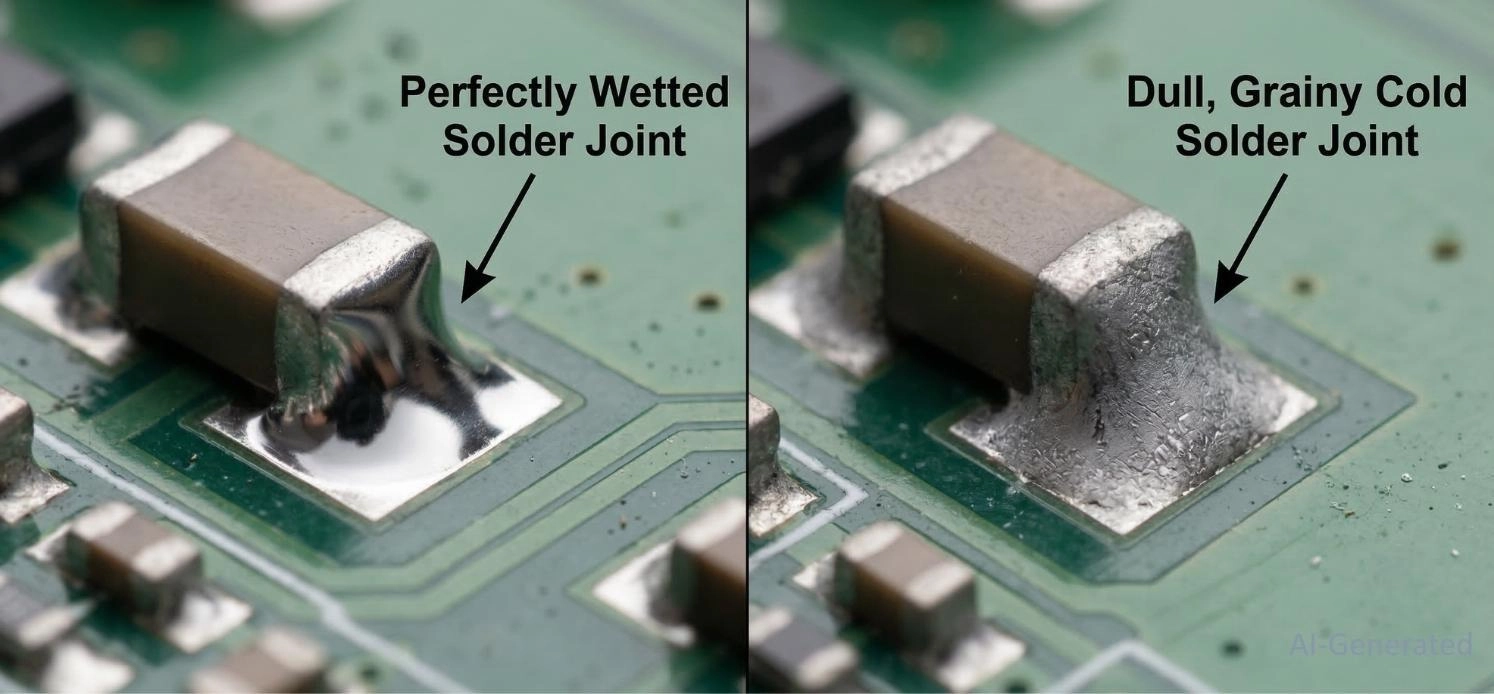
Figure: Comparison between a perfect shiny SMT solder joint and a defective, grainy cold solder joint caused by low reflow peak temperature.
Symptoms of Cold Solder Joints
Visual and electrical indicators of cold joints include:
- Dull, grainy solder surface.
- Poor wetting and irregular fillet shape.
- High electrical contact resistance.
- Failures during In-Circuit Test (ICT) or functional testing.
- Brittle joints prone to vibration cracking.
What Causes Cold Solder Joints?
Thermally, these symptoms are a sign of energy deprivation. Root causes typically include:
- Peak temperature remaining below the required liquidus point.
- Insufficient Time Above Liquidus (TAL) for the selected solder paste and alloy. (TAL < 40 seconds).
- Insufficient flux activation or degraded flux can leave surface oxides in place and impair wetting.
How to Adjust the Reflow Profile to Prevent Cold Solder Joints
Recommended profile adjustments to cure cold joints:
- Increase the peak temperature setting in the reflow zones (typically zones 6 and 7) by 5-10 °C.
- Decrease the conveyor belt speed to extend the TAL and conveyor dwell time.
- Improve zone-to-zone thermal transfer to guarantee the PCB core reaches the required liquidus threshold.
Prevention Tip
Verify your solder paste selection and shelf life. A degraded flux will cause poor wetting even with a perfect thermal curve. Additionally, where oxidation is a concern, a nitrogen reflow atmosphere can improve solder wetting by reducing oxidation.
#3 Head-in-Pillow Defects in BGA Reflow Soldering
Head-in-Pillow (HiP) is a critical and notoriously difficult-to-detect defect that primarily plagues Ball Grid Array (BGA) and Chip-Scale Packages (CSP).
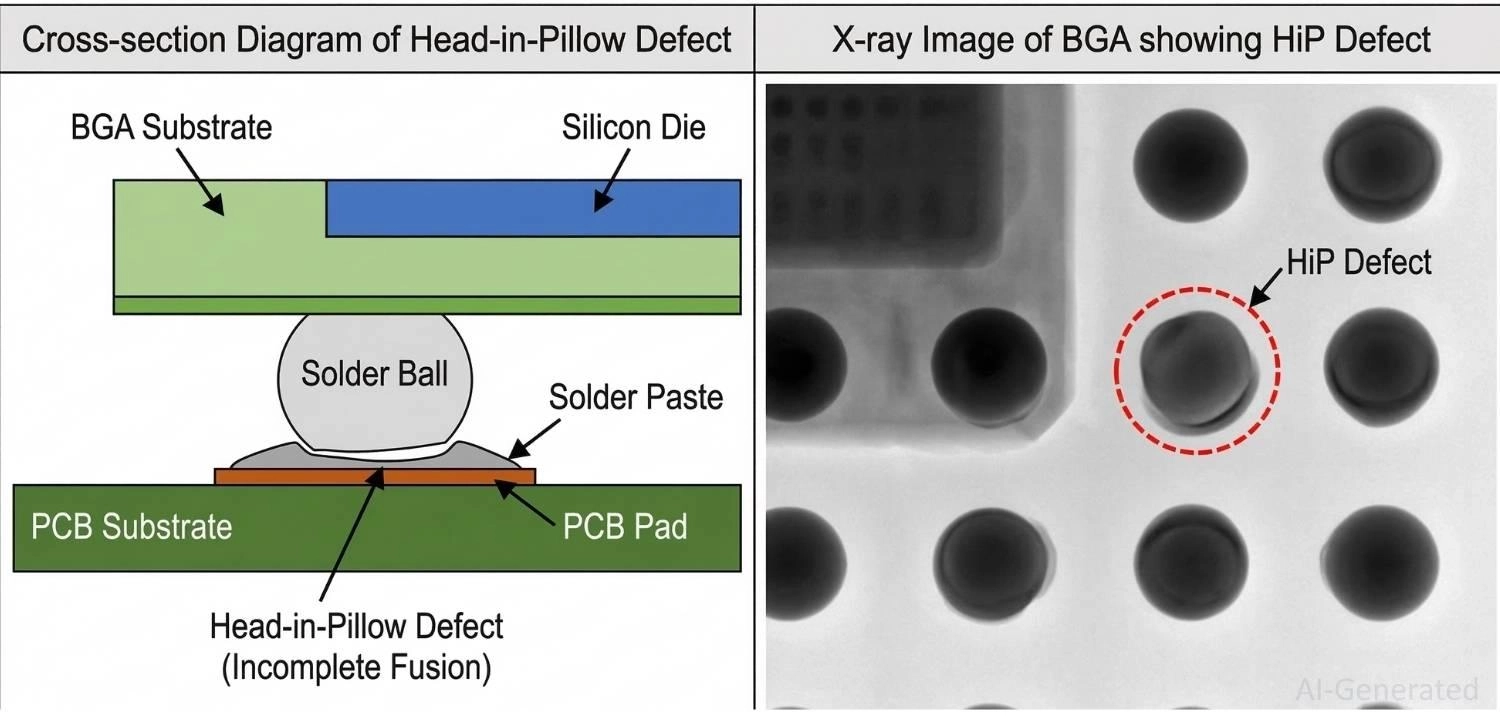
Figure: X-ray and cross-section view of a Head-in-Pillow defect in BGA reflow soldering, showing incomplete ball collapse.
Why Head-in-Pillow Occurs
Because the BGA sits flush against the board, HiP presents as intermittent open circuits or X-ray separation between the BGA's solder sphere and the deposited solder paste. The primary driver of HiP is dynamic package warpage mismatch. As the oven heats up, the FR4 substrate and the IC package expand at different rates, causing the BGA to bow upward. Root causes include:
- Excessive soak temperature or duration can reduce flux activity before the solder reaches the reflow stage.
- Heavy oxidation of the paste and BGA sphere while they are physically separated by warpage.
- Insufficient Time Above Liquidus (TAL) may not provide enough time for the solder ball and paste to fully coalesce after package warpage decreases.
How to Optimize the Reflow Profile to Prevent Head-in-Pillow
Recommended profile adjustments to resolve HiP:
- Reduce the soak temperature slightly to preserve the flux chemistry until the reflow phase.
- Verify that the measured BGA joint temperature reaches the solder paste manufacturer's recommended peak and TAL window.
- Extend the TAL to ensure the package flattens and the BGA ball collapses into the paste.
- Implement a slower cooling rate to prevent the joint from tearing itself apart as the package contracts.
Prevention Tip
Understanding BGA package types and their thermal mass is crucial. Utilize a nitrogen atmosphere in your oven to reduce oxidation during the critical warpage phase.
#4 PCB Warpage During Reflow Soldering
Mechanical distortion of the printed circuit board during SMT assembly is a severe issue that threatens both the structural integrity and the electrical reliability of the final product.
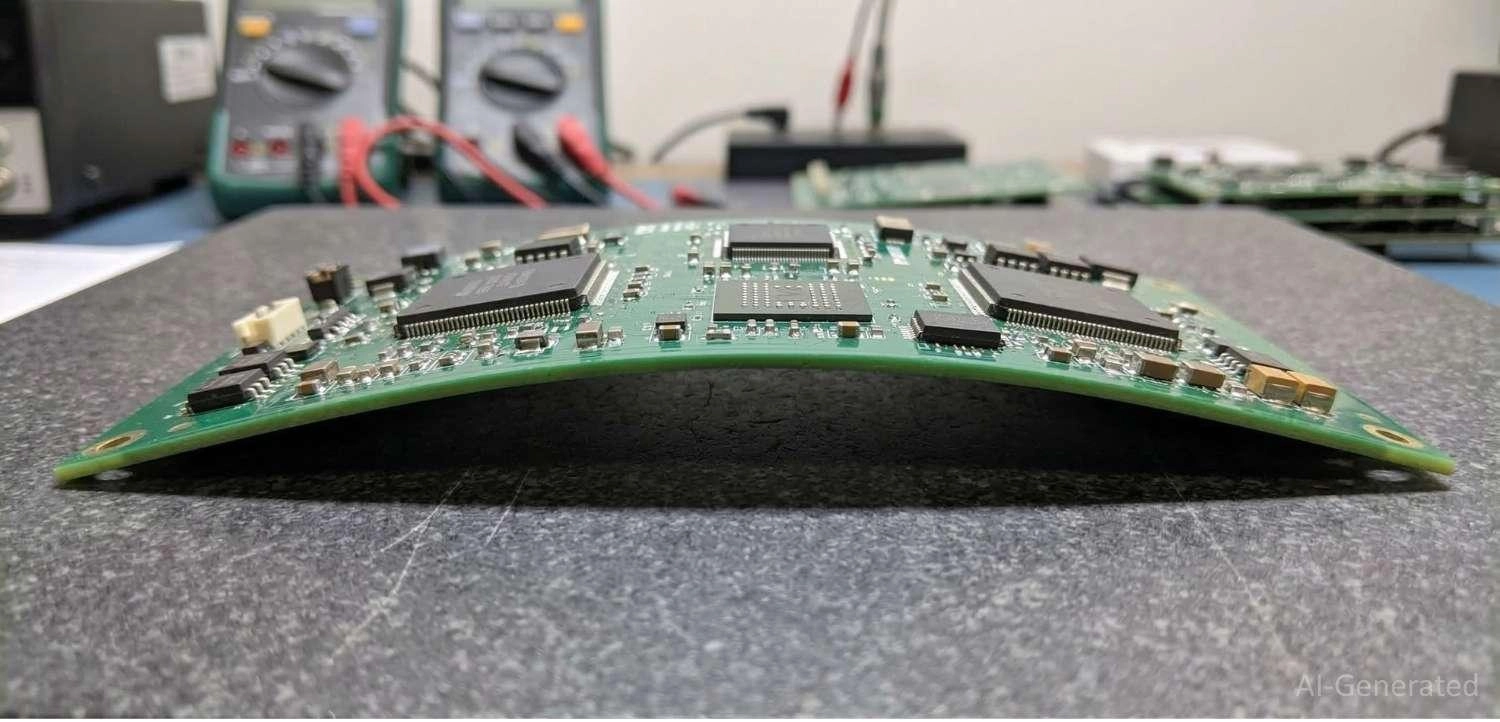
Figure: Severe PCB warpage and board bowing caused by excessive SMT reflow profile peak temperatures and thermal shock.
How Excessive Peak Temperature Causes Warpage
Warpage is fundamentally caused by thermal shock and uneven expansion. Symptoms include visible board bowing, connector misalignment, and cracked ceramic capacitors. This happens when:
- Peak temperatures exceed 255 °C, pushing the FR-4 substrate dangerously past its glass transition temperature (Tg).
- There is a severe top/bottom heater imbalance in the convection zones.
- Copper density mismatch (e.g., massive ground plane on layer 2 vs sparse routing on layer 3) causes uneven thermal expansion.
How to Adjust the Reflow Profile to Reduce Thermal Stress
Recommended profile adjustments:
- Reduce the peak temperature to safely hover near the minimum reliable liquidus point (around 240-245 °C for SAC305).
- Carefully balance the upper and lower convection heater zones for uniform top and bottom heating.
- Optimize the preheat and soak stages to minimize temperature differentials across the PCB before it reaches peak reflow temperature.
#5 Solder Bridging in Reflow Soldering
Solder bridging occurs when molten solder connects two or more adjacent pads or leads, creating an unintended electrical connection. It is especially common with fine-pitch components, where small variations in solder paste volume, stencil printing, or component placement can create a short circuit.
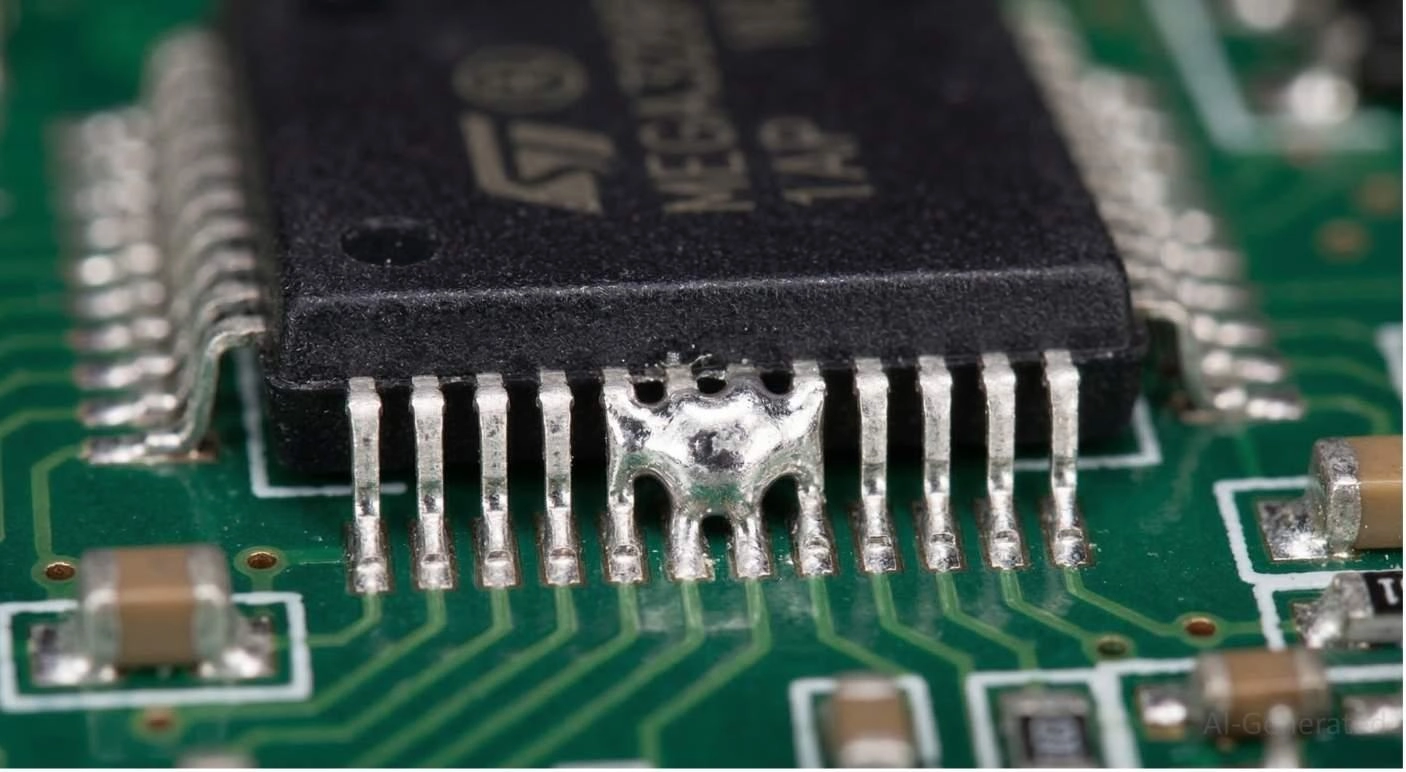
Figure: Solder bridging defect causing electrical shorts between fine-pitch IC pins during an unoptimized SMT reflow process.
What Causes Solder Bridging?
Bridging occurs when solder inappropriately connects two adjacent fine-pitch pins, creating a dead short. This defect is triggered by failures in the early stages of the thermal curve. If the preheat ramp rate is too slow, it causes paste slump, where the flux thins out and carries solder across the mask. Conversely, if the ramp is too fast, the flux forcefully boils and splatters paste between pins.
How to Adjust the Reflow Profile to Prevent Solder Bridging
The reflow profile should support controlled paste behavior without relying on temperature changes alone to correct a printing or layout problem. Recommended adjustments include:
- Control the heating rate: Keep the ramp rate within the solder paste manufacturer's recommended profile window to minimize excessive paste movement and thermal stress.
- Avoid excessive soak conditions: An unnecessarily long or hot soak can affect paste rheology and flux activity.
- Verify thermal uniformity: Check the temperature difference across the PCB so that adjacent solder deposits reach the reflow stage consistently.
- Validate the profile with thermocouples: Measure actual board temperatures rather than relying only on programmed oven-zone settings.
#6 Solder Voiding in Reflow Soldering
Voiding (trapped pockets of gas inside the joint) operates on a similar timeline, occurring when insufficient soak time prevents volatile solvents from fully outgassing before the reflow phase.
How to Adjust the Reflow Profile to Reduce Voiding
To eliminate voids and reduce the risk of bridging, you must stabilize the fluid dynamics of the solder paste. Recommended adjustments include:
- Extend the soak time to ensure outgassing completes before the alloy melts.
- Reduce peak temperature overshoot to prevent volatile gas expansion.
- Optimize the ramp rate strictly to 1-3 °C/sec to prevent paste slump or splatter.
- Use a nitrogen atmosphere to lower surface tension, allowing bubbles to escape the molten solder more easily.
To further prevent QFN thermal pad voiding, learn how to use solder paste stencils correctly by employing a "window-pane" aperture design rather than a massive single paste deposit.

Your reflow profile is only as reliable as the assembly process used to validate it. Build your next PCBA with professional SMT assembly and verify your design under real production conditions.
To eliminate the guesswork of thermal profiling and ensure your designs are manufactured to the highest industry standards, trust your projects to the expert assembly services at JLCPCB.
How to Optimize a Reflow Soldering Profile for SMT Assembly
Achieving the perfect profile is an iterative, diagnostic process. Effective SMT reflow profile optimization requires methodical adjustments based on real-time thermocouple data across these four distinct phases:
Adjusting Ramp Rate
Target 1-3 °C/sec. If you observe thermal shock, component cracking, or paste splattering, lower the ramp rate. If you see a paste slump leading to bridged pins, increase it.
Optimizing Soak Time
Adjust the duration between 150 °C and 200 °C. Extend this phase to reduce tombstoning risks and improve thermal balance for HiP-sensitive assemblies. Shorten it if you are burning off flux too early and causing oxidation.
Setting the Correct Peak Temperature
Ensure the entire board stays above the liquidus for 45-90 seconds. Tweak conveyor speeds to achieve the necessary Time Above Liquidus (TAL) without exceeding the 250 °C safe limit, preventing board warpage.
Controlling Cooling Rate
Maintain a cooling slope of -2 to -4 °C/sec. Cooling too fast causes joint crystallization and pad cratering, while cooling too slowly results in dull, mechanically weak joints.
| SMT Defect | Primary Root Cause | Reflow Profile Adjustment |
|---|---|---|
| Tombstoning | Uneven pad heating; ramp too fast | Reduce ramp to ~1.5 °C/sec; extend soak phase |
| Cold Solder Joints | Peak temp too low; short TAL | Increase peak temp (>235 °C); increase conveyor dwell time |
| Head-in-Pillow (HiP) | Flux exhaustion; dynamic package warpage | Reduce soak temp; increase peak slightly; use nitrogen |
| PCB Warpage | Peak temp >255 °C; top/bottom heat imbalance | Reduce peak temp; balance convection zone heating |
| Bridging | Paste slump from excessively slow preheat | Optimize ramp rate strictly to 1-3 °C/sec |
| Voiding | Insufficient time for flux outgassing | Extend soak time; reduce peak temperature overshoot |
Reflow Profile Troubleshooting for Mixed SMD Assemblies
Modern PCBAs are rarely homogeneous. They often feature tiny 0201 passives sitting right next to massive power inductors or dense BGA processors.
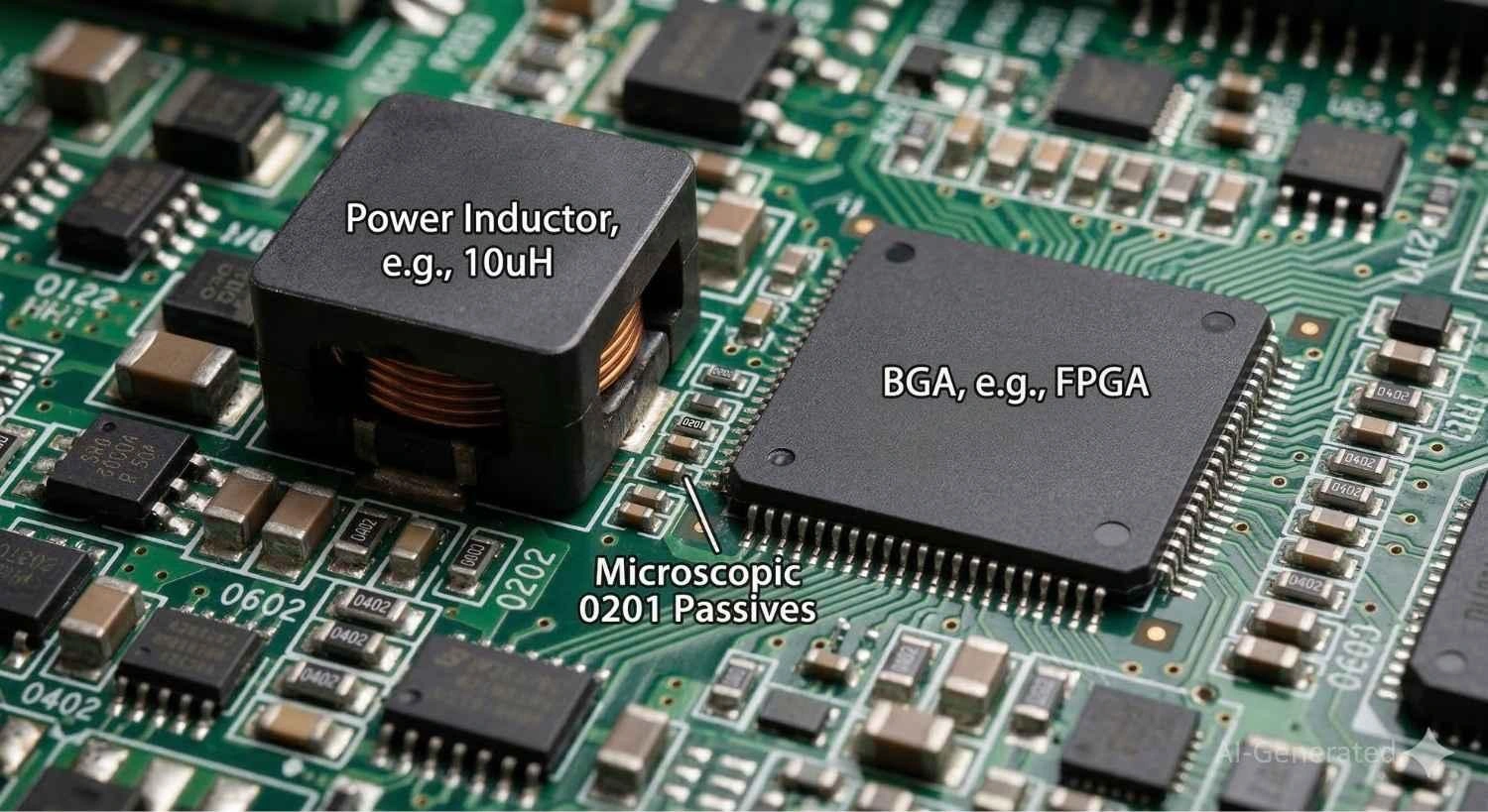
Figure: Mixed SMD assembly showing large thermal mass power inductors and BGAs placed immediately next to tiny 0201 passive components.
Thermal Challenges in Mixed SMD Assemblies
The primary challenge is thermal mass discrepancy. Common issues include:
- Large copper plane heat sinks are refusing to heat up.
- BGA convection shadowing, where large ICs block air from reaching adjacent micro-components.
- Connector overheating and melting plastic housings.
- Uneven double-sided heating during secondary reflow passes.
Reflow Profile Balancing Techniques
To troubleshoot mixed assemblies and reduce the ΔT (Delta T) across the board, implement these methods:
- Extended soak phase (RSS profile) to allow massive thermal sinks to catch up to smaller components.
- Zone-specific temperature tuning based on detailed thermocouple data.
- Selective shielding or reflow carriers to protect vulnerable regions.
- Localized thermal buffering to protect delicate connectors from the oven’s hottest zones.
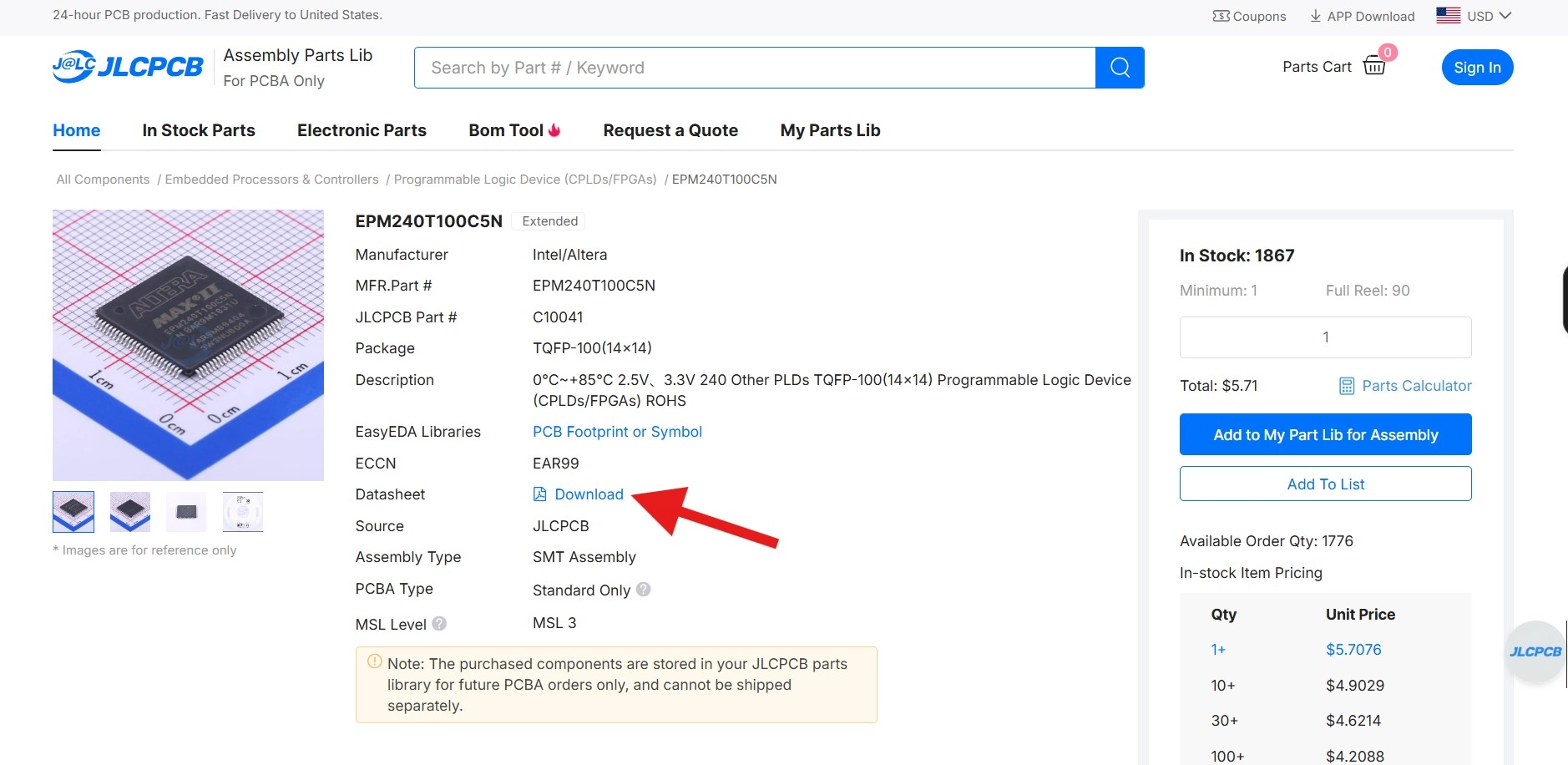
When sourcing diverse components via the JLCPCB Parts library, always consult the individual datasheets to map out the overlapping thermal tolerances of your most vulnerable components.
Best Practices for Creating a Reliable Reflow Soldering Profile
Professional SMT reflow profile validation checklist:
- Use a dedicated golden profiling board fully populated with representative components.
- Attach precision thermocouples to the hottest, coldest, and most thermally sensitive components.
- Validate the thermal profile after every major production or batch change.
- Calibrate oven zones periodically to account for convection fan or heating element degradation.
- Maintain strict solder paste handling procedures (temperature control and expiration limits).
- Monitor process window stability continuously during mass production.
FAQs about Reflow Soldering Profile
Q: Lead-Free vs Leaded Reflow Soldering Profile - What is the difference?
Lead-free solder paste (like SAC305) requires a much higher peak temperature (typically 235-250 °C) compared to traditional leaded SnPb solder, which peaks around 210-220 °C. Lead-free profiles also require tighter control over soak times and cooling slopes to prevent thermal damage to sensitive components.
Q: Why does tombstoning happen?
Tombstoning happens when one pad of a small passive component reaches the solder's melting point faster than the other. The molten solder's surface tension pulls the component upright. It is fixed by reducing ramp rates and extending the soak zone.
Q: How long should Time Above Liquidus (TAL) be?
For standard lead-free assemblies, TAL should safely fall between 45 and 90 seconds. Shorter times cause cold, weak joints, while longer times risk intermetallic compound (IMC) overgrowth and component heat damage.
Q: Can cooling be too fast?
Yes. While fast cooling promotes a strong, fine-grain solder structure, exceeding a drop of -4 °C/sec can cause thermal shock. This results in cracked ceramic capacitors, pad cratering, and warped FR-4 substrates.
Q: Does PCB solder mask color affect the reflow profile?
Yes, but mainly in IR-dominant ovens, where darker/matte mask absorbs infrared faster than lighter/glossy finishes. In forced-convection ovens — now the SMT-line standard — the effect is much smaller and rarely drives re-profiling on its own; board thickness, copper coverage, and component thermal mass matter more. Surface finish changes (e.g., HASL → ENIG) do need a new profile, but that's due to surface flatness and paste wettability, not heat absorption.
Conclusion
A perfectly tuned reflow soldering profile is the invisible backbone of successful electronics manufacturing. By understanding the thermal root causes behind tombstoning, cold joints, Head-in-Pillow defects, and voiding, you can implement precise, data-driven profile adjustments. Remember that optimizing ramp rates, soak times, and cooling slopes not only minimizes defects but also dramatically boosts your overall production yield.
Popular Articles
• SMT Assembly Process Explained and Equipment Used: A Step-by-Step Guide to PCBA Manufacturing
• Common PCB Assembly Methods and Soldering Techniques Explained
• SMD Soldering Tools You Need: Complete Guide from Beginner to Pro
• What Is BGA Void? Causes, IPC Limits, and Solutions
• Reflow Soldering: Everything You Need to Know
Keep Learning
01005 Assembly Guide: PCB Design, Stencil, Feeder Static and Reflow
Key Takeaways 01005 (imperial) parts measure 0.4 × 0.2 mm and are called 0402 in metric. Reliable assembly rests on a flat surface finish such as ENIG, symmetrical NSMD pads, a stencil about 3 mil thick with fine paste, static control at the feeder, and 3D SPI before placement. Because 01005 parts are slow and risky to rework, first-pass yield is the number that matters most. Six SMD capacitors on a fingertip, from left: 01005, 0201, 0402, 0603, 0805 and 1206. Photo: Filip Wahlberg, CC BY-SA 4.0, via ......
How to Repair a PCB: Traces, Pads, Solder Joints and Corrosion
figure: reworking an SMD joint with a soldering iron and tweezers A cut trace, a lifted pad or a joint that cracked after two years of thermal cycling doesn't mean the board is scrap. Most surface-level circuit board damage can be fixed with an iron, a multimeter and an hour at the bench. This guide covers finding the fault, the five most common repairs, and testing the board before it goes back into service. Each repair is broken into the steps you perform, in order, with the mistakes that most often......
How to Solder Wires to a Circuit Board Properly: Step-by-Step Guide
Learning how to solder wires to a circuit board is a fundamental skill for electronics repair, prototyping, and PCB assembly. Whether you are attaching power leads, signal wires, or test connections, a weak solder joint can cause intermittent failures, lifted pads, or long-term reliability issues. In this step-by-step guide, you'll learn the correct tools, preparation methods, and soldering techniques needed to create strong, clean, and reliable wire-to-PCB connections. From preparing the wire and PCB......
PCB Soldering Basic Techniques and Overview
Soldering means joining metal components with a melted metal called solder, which has a low melting point compared to other metals. Soldering is crucial in the electronics industry and is the primary method of joining electrical components. There are different types of soldering materials based on quality and their melting points. The most common combination is a tin or lead metal alloy mixed with silver or brass. The soldering iron melts the metal so it can be used like glue to connect two pieces. On......
SMT Assembly Process Explained and Equipment Used: A Step-by-Step Guide to PCBA Manufacturing
Today's high-performance electronics, from pocket-sized smartphones and IoT sensors to sophisticated industrial control systems, are made possible by a manufacturing miracle: Surface Mount Technology (SMT). SMT is the backbone of electronics manufacturing, allowing us to have the incredible component density and miniaturization. A bare circuit board is simply a substrate. The process of transforming it into a functional electronic circuit is known as Printed Circuit Board Assembly. This article outlin......
Common PCB Assembly Methods and Soldering Techniques Explained
Whether you're designing your first prototype or scaling up to production, understanding PCB assembly methods and soldering techniques is crucial to achieving reliable, high-performance circuit boards. Modern PCBA primarily relies on Surface Mount Technology (SMT) and Through-Hole Technology (THT)—each offering unique advantages for component density, durability, and manufacturability. In this guide, we'll break down the major PCB assembly methods, key soldering techniques such as reflow and wave sold......